
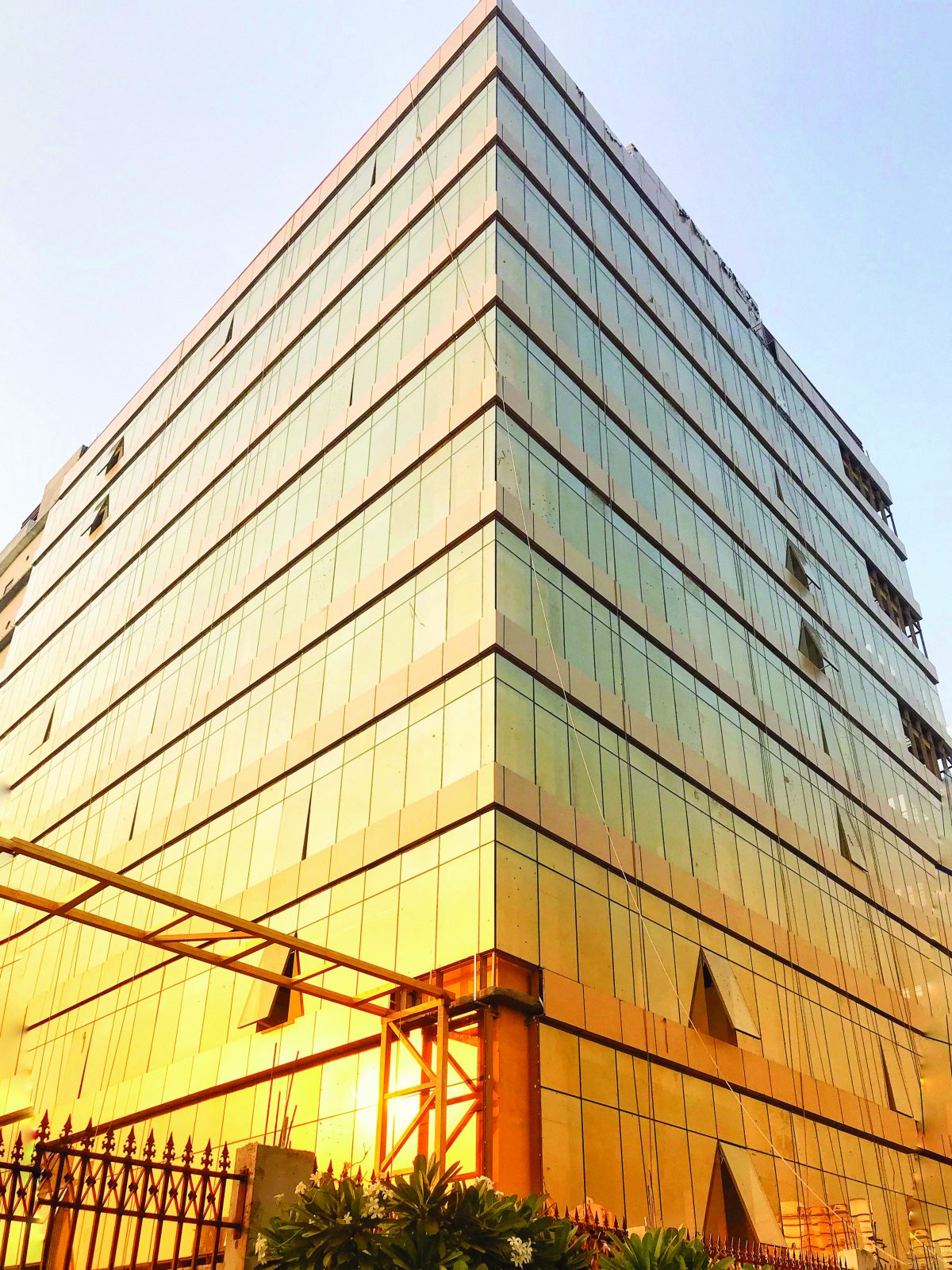
Today, the market offers a wide range of glass types, all offering different levels of efficiency while being aesthetically pleasing. Two of the leading contenders in this category are the float glass and the Low-E glass (low-emissivity). Both offer unique features, benefits and applications. Hence, choosing between the two can be challenging.
In this blog, we will explore their differences and use cases while comparing them to determine which one is better.
What is Float Glass?
Float glass is a smooth, high-clarity glass with minimal optical distortion that serves as the base material for manufacturing various processed glass products, including laminated glass, (toughened) tempered glass, coated glass for interiors, and insulated glass units. Owing to its versatility, it is often referred to as the “mother of all glass.” To learn more about its manufacturing process, features, and applications, read our detailed guide on what is float glass? all you need to know.
Features of Float Glass
- Durability: Float glass is highly durable because it is treated in ovens to increase its strength and durability. Although it is the same thickness as regular glass, it is far more efficient. The uniform structure of float glass makes it an ideal choice for designing the interiors and exteriors of your home.
- Environment-friendly: Float glass helps keep indoor spaces cool during the hot summer months by regulating the temperature. This reduces energy bills, as you have to rely less on air conditioners for cooling.
- Smooth Surface: The floating process results in an even, smooth surface.
- Versatility: The properties of float glass allow it to be moulded into designs of varying thicknesses, shades, and sizes, making it suitable for achieving your desired aesthetics.
Uses of Float Glass
- Used as a base material for façades in skyscrapers to give them a glistening, glazed look.
- Used for making wall panels in residential and commercial spaces, adding much-needed vibrancy or a splash of colour.
- Tabletops and cabinet doors are also made of float glass. Not only does it make your home look more elegant, but using float glass also makes your tabletops and cabinets sturdier and more durable.
What is Low-E Glass?
Low-E (low-emissivity) glass is an energy-efficient glass designed to reflect heat and reduce thermal transfer. It features a microscopically thin metallic coating that allows natural light to pass through while helping block ultraviolet (UV) and infrared (IR) rays, improving indoor comfort and energy efficiency. To learn more about its features, benefits, and applications, read our detailed guide on what is low-e glass?
Features of Low-E Glass
- Minimises heat gain and heat loss during the hot summer and winter months, respectively.
- Helps reduce the entry of harmful solar radiation.
- Low-E coatings come with various coating options based on the climate and application.
- Reduces reliance on heating and cooling systems, lowering carbon emissions.
Uses of Low-E Glass
- Used in windows to reduce heat transfer,
- Used in both commercial and residential buildings to enhance insulation, improve comfort, and increase energy efficiency.
- Low-E glass is used in greenhouses to help regulate temperature and humidity.
Low-E Glass Vs Float Glass
| Parameters | Float Glass | Low-E Glass |
| Energy Efficiency | No significant thermal insulation or energy-saving benefits | Reflects heat and reduces thermal transfer and minimised energy consumption |
| UV Protection | Does not block UV rays | Blocks UV rays |
| Cost | Affordable and easily available | Expensive due to multiple coatings but offers savings in the long term |
| Durability | It can be brittle if unprocessed | Typically available as tempered glass, offering enhanced strength and safety |
| Aesthetic appeal | Clear and smooth, providing a natural look, ideal for most designs | It may have a slightly reflective or tinted appearance |
| Customisation | It can be tinted, frosted or laminated for various purposes | Available in different coatings for various climatic regions |
| Environmental Impact | Natural; does not contribute or take away much from the environment | Eco-friendly, reduces energy consumption and carbon footprint |
| Common Use Cases | Indoor partitions, mirrors, tabletops, retail shelves, and interior doors. | Energy-efficient residential windows, commercial building facades, and UV-protected spaces. |
Conclusion
When deciding between float glass and Low-E glass for your project, choose the option that best suits your requirements, budget, and performance expectations. If you are looking for a versatile and cost-effective solution, float glass is an excellent choice. However, if energy efficiency, UV protection, and improved thermal comfort are your priorities, Low-E glass offers greater long-term value.
Understanding the features and benefits of both glass types is essential to making an informed decision. As one of the top Low-E glass manufacturers in India and a trusted float glass supplier, AIS offers a comprehensive range of high-quality glass solutions designed to meet diverse residential and commercial requirements. Manufactured using advanced technology and stringent quality standards, our glass products deliver exceptional performance, durability, and aesthetics. Get in touch with AIS today to find the right glass solution for your next project.